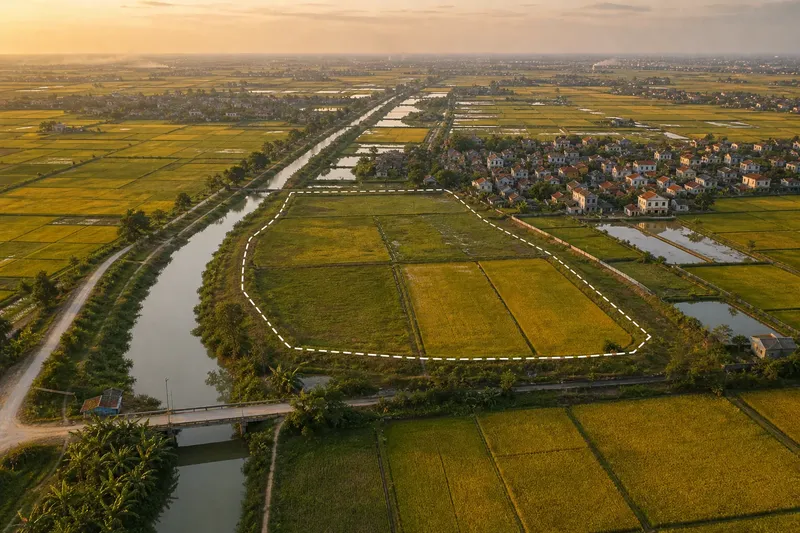
The Word Investment Is Not a Local Impact
Thái Bình casino investment claims need more than promises. Trace each one to a named place, activity, and observable change before describing local effects.
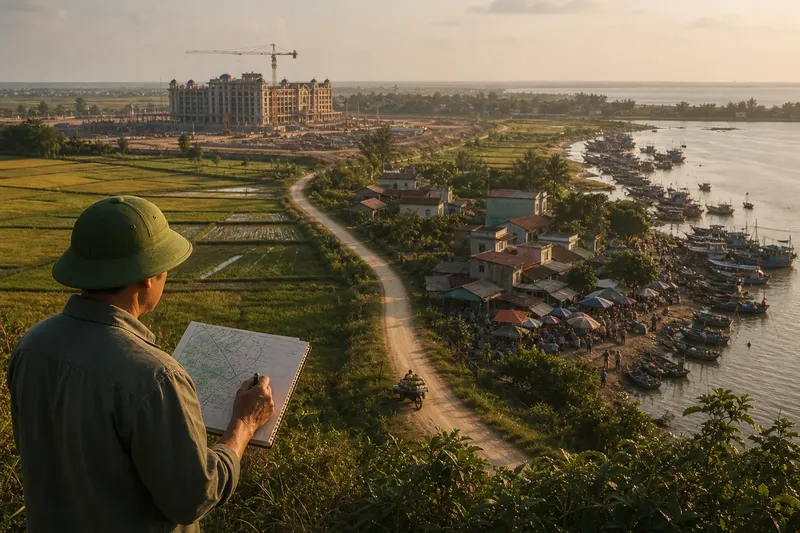
Thái Bình casino investment claims do not establish what will happen to a field, road, market, or shoreline. To assess one, identify the proposed activity, locate it, and ask what concrete change would follow for people who use that place.
That distinction matters in a rural province, where farming, fishing, local travel, and commerce are tied to particular routes and areas. A broad promise about development cannot explain those connections on its own.
What can an investment claim actually tell you?
An announcement may use “investment” to refer to buildings, roads, services, or future operations. Treat the term as a description of intended support, not proof that a project is approved, underway, or already changing local life.
It is like a label on a box: it names the contents but does not show what is inside. Look for the specific activity, its location, and the change the claim says it will produce.
How can you connect a casino proposal to local land use?
Match the proposed activity to the place and the way people use it. A claim about farm access needs to identify the route farmers use and explain how the project could affect that route. A claim about coastal livelihoods needs to name the shore area and activity at issue.
Use a site plan or map if one is available, and mark only locations the document identifies. Nearby does not mean affected: the claim should explain a pathway between the proposed activity and the stated change.
What should you check before describing a local effect?
For each item, record what the document or account actually says. If a detail is missing, follow the alternative action instead of filling the gap with an assumption.
- Proposed activity: Check whether the notice names a casino building, access road, or operation. If it does, assess that activity; if it does not, ask what “investment” refers to.
- Location: Check whether a map or plan locates the activity. If it does, identify the named place; if it does not, request a location before describing a local effect.
- Land or livelihood: Check whether the claim names farming, fishing, travel, or another local use. If it does, ask how the project connects to that use; if it does not, avoid attributing an effect to a particular group.
- Claim status: Check whether the wording describes a proposal, forecast, or reported change. If it describes a future aim, call it an intention; if it reports a change, ask where and when it occurred.
- Observable sign: Check whether the claim names something people could document, such as an access arrangement. If it does, identify a suitable record or account; if it does not, ask what would count as evidence.
- Other possible causes: Check whether another activity or condition could explain the reported change. If it could, keep the cause uncertain; if a project link is documented, describe that link and the information supporting it.
How do you tell a forecast from an observed change?
“Aims to,” “is expected to,” and “will support” describe an intention or forecast. They do not show that an outcome has happened.
A report of change should identify what changed, where, and when. Even a specific observation does not establish its cause unless the connection to the casino activity is supported.
For example, a statement that a proposed casino will bring more customers to shops is a forecast. A report that a particular shop’s activity changed describes an observation, but the project’s role remains uncertain unless the connection is documented.
What questions clarify a vague casino claim?
Which activity does the investment claim describe?
Ask whether it means a building, road, operation, or another proposed activity. Without that detail, “investment” is too broad to connect to a local change.
Where is the activity planned?
Ask for a map, site plan, or named location. If none is provided, describe the place-specific effect as unknown rather than guessing which area is involved.
What could residents observe?
Ask what might change in a named place, such as access to a farm route or activity at a market. If the claim identifies no observable sign, ask for clarification before assessing its local meaning.
Is the statement a forecast or a report?
Check whether it describes a hoped-for future outcome or a change already reported. Use “proposed” or “expected” for the former, and identify the place and timing for the latter.
How does a worked example separate an aim from an answer?
Say a resident reads a notice about a proposed casino complex near a farm-access route. The notice states one economic aim but gives no information about the route. The resident writes down three starting items: one named route, one proposed complex, and zero details in the notice about access arrangements.
The resident marks the route on the available map, compares it with the project plan, and sends a written question asking whether the proposal changes access to that route. Imagine the reply repeats the economic aim and provides no route information. The observable result is still one unanswered access question; the resident can report the stated aim and the missing detail, but cannot claim either disruption or benefit.
How should you describe what is known about Thái Bình casino investment?
Use wording that identifies the source and status: “the proposal states” for an intention, “the plan describes” for information shown in a document, and “residents have raised a concern” for an account that has not been resolved. For a reported change, name its place and timing, and say whether its cause is established or uncertain.
When assessing Thái Bình casino investment, keep the place, activity, and observable change connected. If a link is missing, name that gap directly; a precise account of what remains unanswered is more useful than presenting a forecast as a local fact.