How Casino Development Could Reshape Thái Bình’s Local Places
Casino development in Thái Bình raises questions about land, livelihoods, and local decision-making. Learn how to assess a proposal before drawing conclusions.
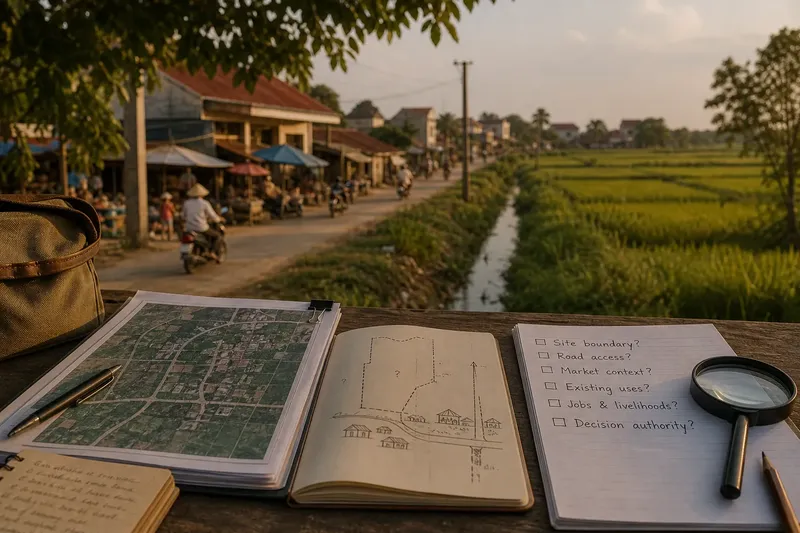
Casino development in Thái Bình can only be assessed responsibly when the proposal is tied to a specific site and its documented local context. A project near a market, village road, or working landscape could intersect with different routines, but without a named location and reliable details, those effects remain unknown.
Separate what a proposal actually states from what its supporters or critics expect. Treat a casino plan as a set of claims to examine—not as evidence that land use, livelihoods, or daily activity will change.
What does the proposal establish about its location?
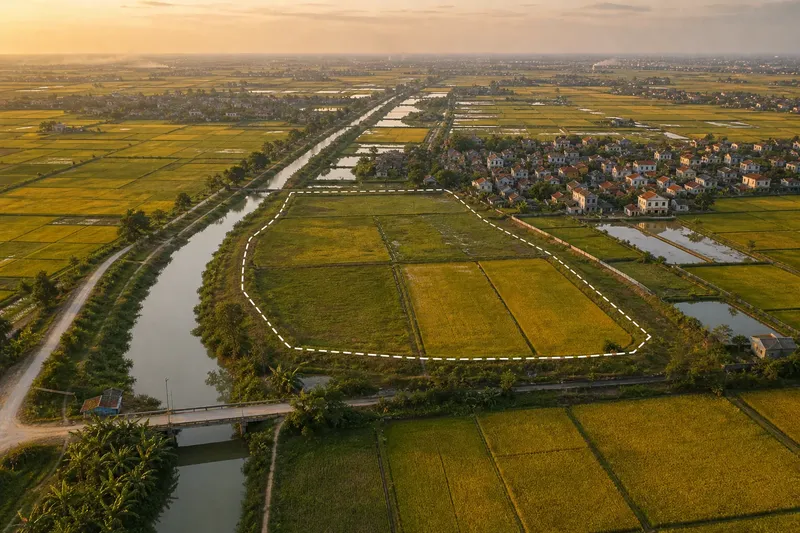
Look for a precise site description: a map, boundary information, and an account of current land use. Check whether the documents identify nearby settlements, roads, markets, waterways, or workplaces. A broad label such as “tourism zone” does not establish where a project sits or what is around it.
Compare the site map with an appropriate local map, and note the date and source of each. If the boundaries do not line up or the proposal gives no exact location, request the site plan before making claims about local effects. A site boundary is like the outline on a property deed: without it, you cannot tell which ground the proposal actually concerns.
How could the site relate to local livelihoods?
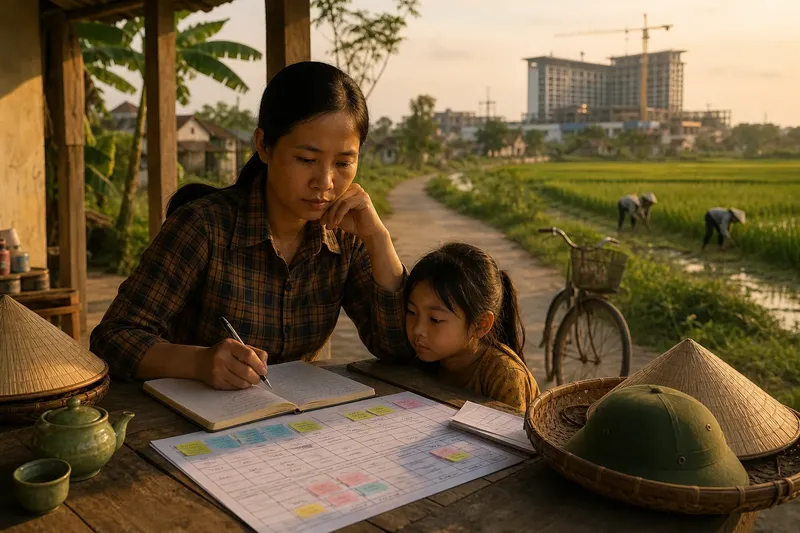
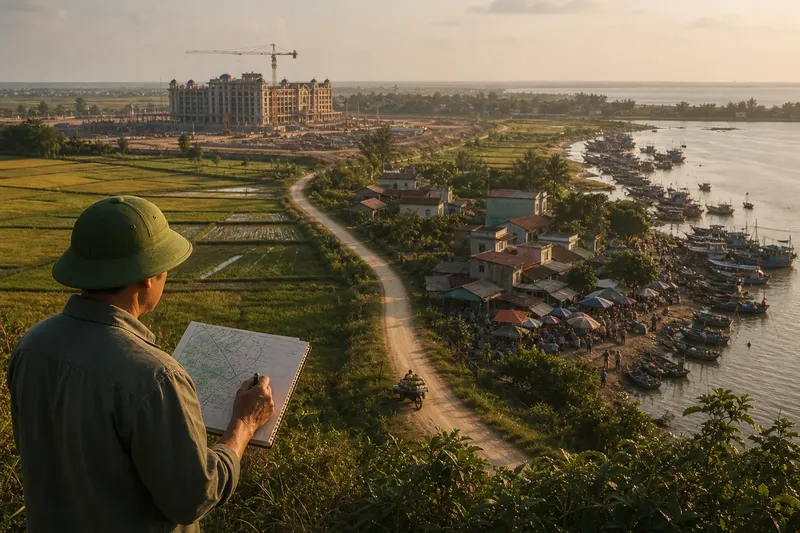
Check whether the proposal describes existing land uses and the people who rely on them. Farms, shops, market activity, public routes, and other uses should be treated as questions for site-specific documentation, not assumptions about Thái Bình as a whole.
Employment language also needs detail. Distinguish between a general promise of economic activity and named roles, recruitment arrangements, or effects on existing work. If the document gives no such particulars, record the omission rather than predicting who will gain or lose.
What should you verify before drawing conclusions?
- Site and boundaries: If a map identifies the location and project limits, compare them with a local map and note any mismatch; if it does not, request a mapped boundary before discussing effects on nearby places.
- Current land use: If documents name homes, farms, businesses, or public uses within or beside the site, record each stated use; if they do not, ask the relevant planning authority for a site description rather than calling the land unused.
- Access routes: If the proposal names roads or transport links, trace which places those routes connect; if routes are missing, request an access plan instead of asserting traffic or access outcomes.
- Local livelihoods: If the material identifies workers, businesses, or land-based activities, note what it says about each; if it only offers broad economic language, ask which activities and groups are specifically considered.
- Employment claims: If the proposal names roles or recruitment arrangements, distinguish them from confirmed local hiring; if it does not, ask who could apply and how hiring would be handled before repeating a jobs claim as a local outcome.
- Public services: If documents identify roads, utilities, or facilities that may require decisions, record the issue and named responsible body; if they are silent, mark the matter unaddressed and seek clarification rather than predicting a burden.
- Decision status: If an official notice states the application or approval stage, describe that stage using its exact terms; if the source is promotional or unclear, verify status with the competent authority before calling the project approved.
How can you separate a local claim from a documented detail?
For each important statement, record who made it, where it appears, and whether it describes an existing condition, a proposal, or an expectation. “The plan proposes visitor services” does not mean visitors have arrived, and neither statement establishes a change in local land use.
Keep unanswered questions visible. If a document omits who uses a road or how existing businesses are considered, note that gap and ask for the missing information. An omission is not proof of either harm or benefit.
Which questions help clarify casino development in Thái Bình?
Where exactly is the proposed casino site?
Look for a mapped location, project boundaries, and a description of current land use. If those details are absent, request them before connecting the proposal to a particular village, market, or landscape.
What local activities does the site plan identify?
Check whether the material names existing users, businesses, or land-based work. If it only describes a future visitor facility, ask how the proposal accounts for current uses.
What does the proposal say about jobs and livelihoods?
Separate named roles and recruitment arrangements from general claims about economic activity. If no specific information is given, describe the claim as broad and ask for detail before drawing a local conclusion.
Which authority is responsible for the next decision?
Check the official application or notice for the named authority and decision stage. If the source does not establish either, seek confirmation from the responsible public body rather than relying on informal descriptions.
What does a careful site note look like?
Imagine an invented proposal for a casino near a village road and a market area in Thái Bình. Its supplied materials describe a visitor facility and include a general location, but give no exact boundary, road-use details, or account of the market’s routines.
Start with those inputs: one general location, one proposed visitor facility, and three missing details. Record the facility as proposed, not approved. Then compare the available location information with an official map; if the boundary remains unclear, request the site plan. Ask for an access document to clarify the road connection and for site material describing existing land use near the market.
The resulting note should state that the proposal identifies a visitor purpose, while the exact boundary, road access, and market context remain unaddressed. That is the decision rule: describe only what the supplied record establishes, and leave local effects open until the missing documents provide a basis for assessing them. The note should not claim that the market will be disrupted or benefit.
For casino development in Thái Bình, keep the location, source, and unanswered question together in every public discussion. That simple record makes it easier to distinguish a proposed change from an established local fact—and to ask the next question of the right authority.